It’s coming up a year since our epic adventure around Japan. It would be almost impossible to do a review of our entire trip. The trip lasted for 21 nights including 7 hotels, a week in a camper van, an internal flight, shinkansen and thunderbird trains, countless tours, onsens and excursions. It was an unforgettable adventure. I planned it thinking we would never return to Japan, so we absolutely had to make the most of our time there. The reality we loved Japan so much, I am exploring every which way possible to get us back.
So rather than a review I wanted to share with you some of the things I learnt along the way as planning a Japan tour can be some what daunting and seriously time consuming. Saying that I loved every minute of it, so if you would like some help to come up with a bespoke tour, I would be very happy to assist.
I wanted to make our trip a combination of must-see sights and a little off the beaten track. I have an annoying habit of trying to do things differently and going against the norm. Driven by a motivation to avoid crowds, experience the real Japan, be as comfortable as possible but budget conscious along the way.
So, with that in mind, my first decision was a little controversial. International travelers generally fly in and out of Tokyo, which means you end up doing a sort of loop around Japan or coming back on yourself if you venture further afield. I made the decision to not leave Tokyo airport on our arrival and fly us straight to our furthest point. Which sounds silly when you have just come off a 14hour flight, to get straight back on a plane, especially if prior to that long hall flight, you had also done a domestic connecting flight. Oh, and I always travel with a child in tow. But hey it worked, our connection was seamless and I always take it as a good sign when you are the only tourists on the flight, we were heading off the beaten track. So, we began our Japan adventure in Fukuoka on Japan’s most southerly island of Kyushu. We were exhausted, but we still managed to navigate the subway system, with luggage, to our hotel where we found food at a 7/11 like every good tourist and then slept.
An absolute must have when travelling in Japan is a pocket Wi-Fi, I opted for this instead of an e-sim as multiple devices can work off the same pocket Wi-Fi at the same time. And being marvelous Japan, I was able to have this sent directly to my first hotel, and it was waiting for me when we checked in. Super easy to set up and I highly recommend. Having internet access is ESSENTIAL if you are planning on being an independent traveler. We used google maps and google translate all day every day! Google maps can even tell you exactly what platform you need to stand on in the subway station, it was a life saver.
The next morning our camper van was delivered to us at our hotel. I ended up having a love-hate relationship with our camper and if I’m very honest, I would recommend that other people do this section in a hire car, which gives you the same amount of independence and then a wonderful, air-conditioned hotel room to come back to at the end of the day. Things to note-camper vans in Japan do not include toilets or showers because that is unhygienic! Japanese culture is very big on hygiene, having a loo in the same vehicle as a kitchen is considered absolutely disgusting!
To drive in Japan, you must acquire an international drivers license from your home county before you arrive. Driving in Japan is on the same side of the road as the UK. Drivers here are very sensible, follow all the rules and are extremely safe. In Kyushu it is not remotely busy, especially once you head out of the city. Highways use a toll system, ensure your hire car comes with a toll tag or you can pay cash as you go. Tolls we found to be very confusing, basically as you exit there are normally multiple options and google maps didn’t catch up quickly enough to tell you which way to go. We went wrong multiple times, which involved long U-turns. But we managed. Service stations in Japan are spotless and often show case all the best food from the local area. On a very serious note, jet-lag is real. I would strongly recommend another night at your hotel before heading out on the highway. I ended up driving as my husband couldn’t keep his eyes open.
We opted to head to the Mount Aso region of Kyushu and what a delight this turned out to be. Lush green, mountainous volcanic area, much cooler than in the city and honestly no tourists. We turned heads when we were out and about. We opted to stay in a little camp site, which also had cabins and an Onsen. We were here two nights and had the place to ourselves. Our highlights in this area were the Minamiaso Railway Takamori Line, a scenic railway which takes you 17km along the fertile volcanic basin, with gorgeous views and a very welcome breeze as the carriages have no windows. We began our Eki stamp collection, every train station in Japan has its own unique stamp and many people collect them. It is also common for museums and tourist attractions to have them as well. So, bring along a notebook. The following day we ventured to the top of Mount Aso and Nakadake crater. It is possible to walk to the rim of the volcano or if you prefer the sensible option, stay in the visitor centre, eat lunch and hope your husband makes a safe return. On our way out of town, we visited the beautiful Meoto Waterfall and thoroughly enjoyed being off the beaten track in the countryside.
Our next overnight stop was in Yufuin, I absolutely fell in love with this town. Yufuin is famous for being an Onsen town with a slightly hippy, artist vibe. Full of great cafes and art shops. If we visited again, I would stay here two nights. We mostly just mooched about but there was a wonderful vibe.
Beppu is where we travelled onto, a much bigger town than Yufuin and we were now back at sea level. This coastal town is mostly modern with the biggest attraction being the Beppu Hells. And it really was as hot as hell! The hells are a succession of geothermal steaming pools. While the hells were beautiful, visiting them during a heat wave in July was something else! My best memories of Beppu were visiting Kura sushi, a bit of a Japanese institution. And a truly beautiful Onsen visit, after a night melting in our camper van, we headed to the only Onsen open at 8am. It was a way out of town, very old and had only a few elderly locals in it. They were surprised to see us rocking up. It is honestly one of my strongest memories of our holiday. It was so real, the ladies very kind and welcoming and felt like something no other tourist would experience.
Not far from Beppu we stumbled across the samurai town of Kitsuki. This town was unbelievable, home to Japan’s smallest castle and Samurai houses of the highest quality. The best part about it, there was no one there. And I mean no one! There was a weather warning for extreme heat, maybe that had something to do with it or maybe it’s just so far from anywhere. We received private tours in every samurai house by staff that were so thrilled to see us. By now I had got completely fed up of the camper van and booked us into The Hotel Solage Oita-Hiji, an amazing onsen hotel with water slides, just 10 minutes down the road from Kitsuki. For a family this was the perfect balance of fun and relaxation.
The next morning the race was on to drive from the Oita hotel back to Fukuoka to return our camper van and then ride the shinkansen from Fukuoka to Kyoto. A journey of almost 500miles. And most importantly we had to check into our Kyoto hotel in time for our evening walking tour of Gion. As we were driving, I received a Tsunami alert on my phone. I recommend all travels sign up for these types of apps, ours was called ‘The Japan shelter guide’. It lets you know where your nearest shelter is if a Tsunami were to happen and keeps you updated of earthquakes and natural disasters. We were already well on our way inland down the highway, so chose to just keep driving.
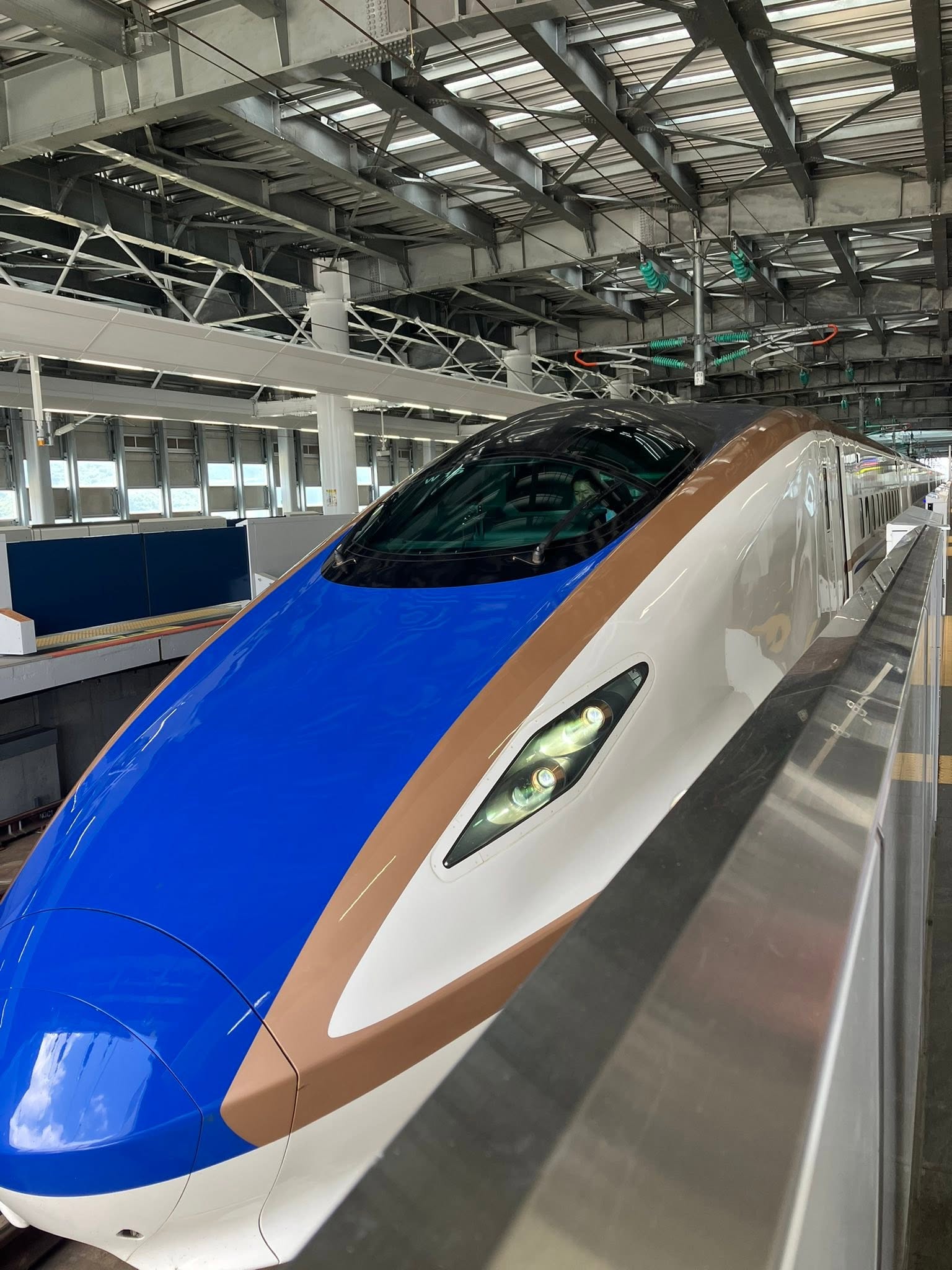
After returning the van we headed to Fukuoka train station to catch the shinkansen. During my research I discovered the JR passes. In theory these look amazing, great value and a simple way to get you tickets for the trains. In reality they were a total pain. I had worked out that for our trip over the 3 weeks; 2 different area JR passes would provide us with the best value for money. You buy these tickets in advance in the UK; you can only buy them overseas. They send a confirmation letter and vouchers in the post. Once you get to a train station in Japan you exchange them for actual tickets and book yourself on trains, at the ticket office as you go. Where they fall down is the process to actual exchange them into tickets takes forever! I had to sit at a JR ticket office, take a number and wait to be called. This was after first trying ticket booths, that staff insisted we should be able to use. I don’t know if it was because one of the passes was for a child, the machine refused to scan her passport. I’m not sure but the process, was confusing and completely over whelming. After over an hour we were finally booked on a shinkansen, remember you must book seats with extra luggage space if travelling with suitcases.
The Japanese really expect you to follow the rules and not just hope it will be ok. Saying that our area passes only allowed you to ride the shinkansen as far as Osaka, then you were supposed to get off the train and ride a local train to Kyoto. I noticed the shinkansen we were on, did in fact call at Kyoto. The ticketing process had taken so long we were now running seriously late. I made an executive decision to stay on the train and worry about the consequences later. Just our luck at Osaka someone boarded having booked our seats and then the guard was on to us. I must admit I lied and said I fell asleep missing our stop, I kept my daughter in the dark of the plan the whole time as she cannot tell a lie! On leaving the train we had to pay an additional charge for the last section. They were a bit frowny faced, but we said sorry and bowed many times and once the money was paid, we were on our way. My husband has a slight allergy to taxi’s, much to my annoyance, so we navigated the subway system with our luggage to the hotel. I don’t really recommend doing the subway with large luggage. It’s very similar to the London underground, not many lifts and lots of stairs. On finding our hotel we dumped the luggage and sprinted in the 38’c evening heat to our Gion tour. I have no idea how we did it, but our group tour ended up being a private tour as no one else booked. Besides the heat we thoroughly enjoyed ourselves, managed to get our bearings in Kyoto and learnt a lot.
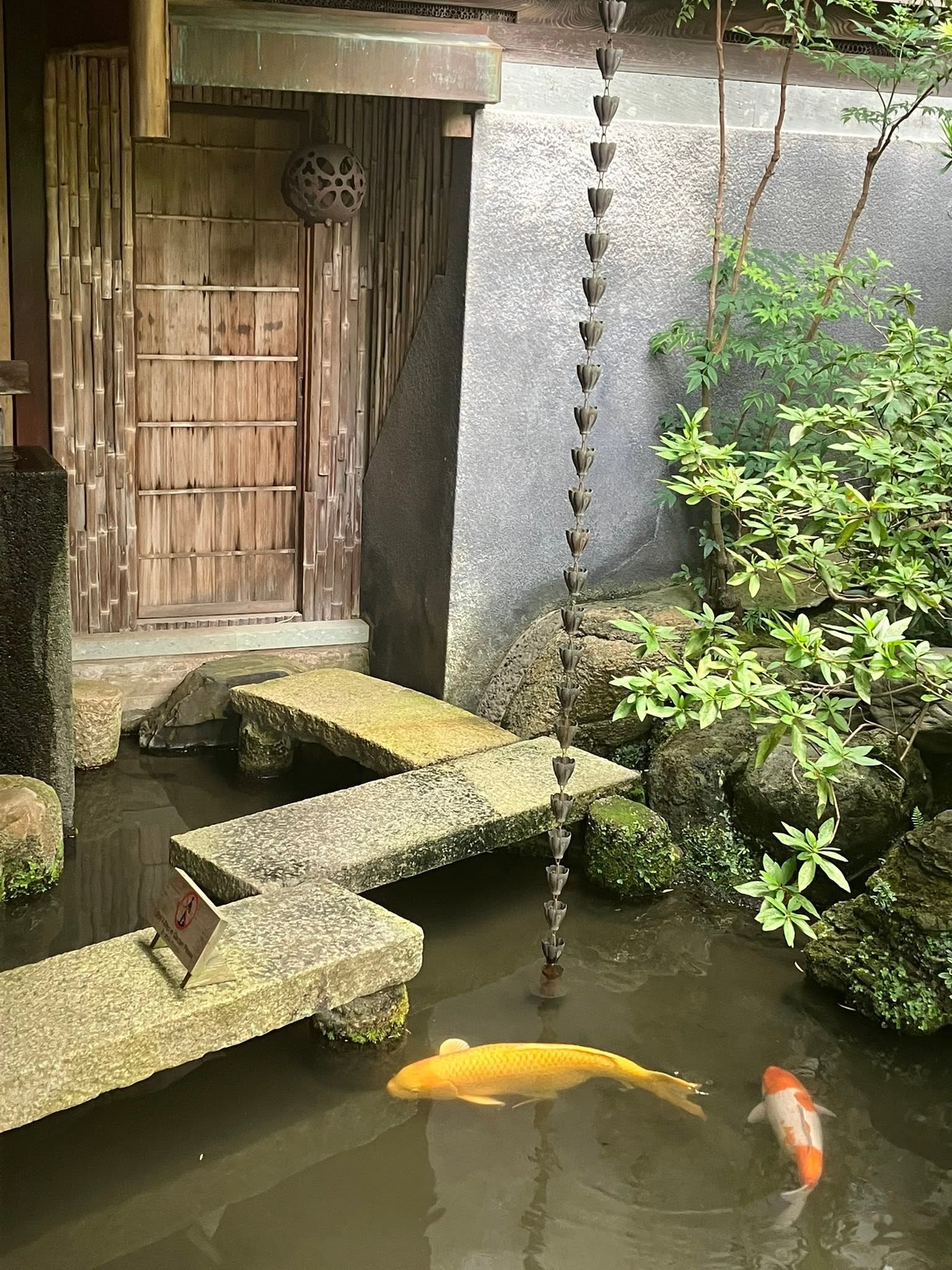
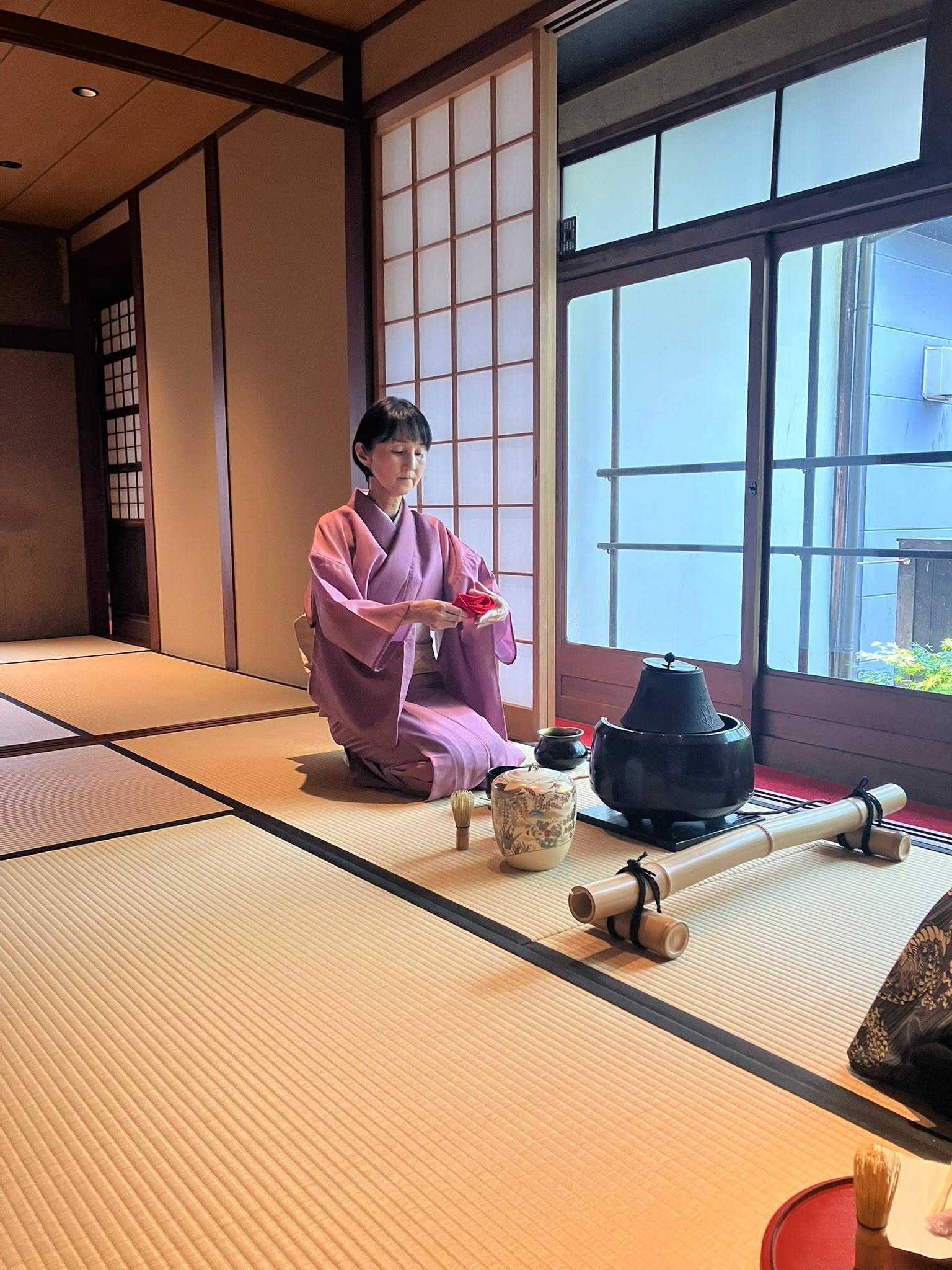
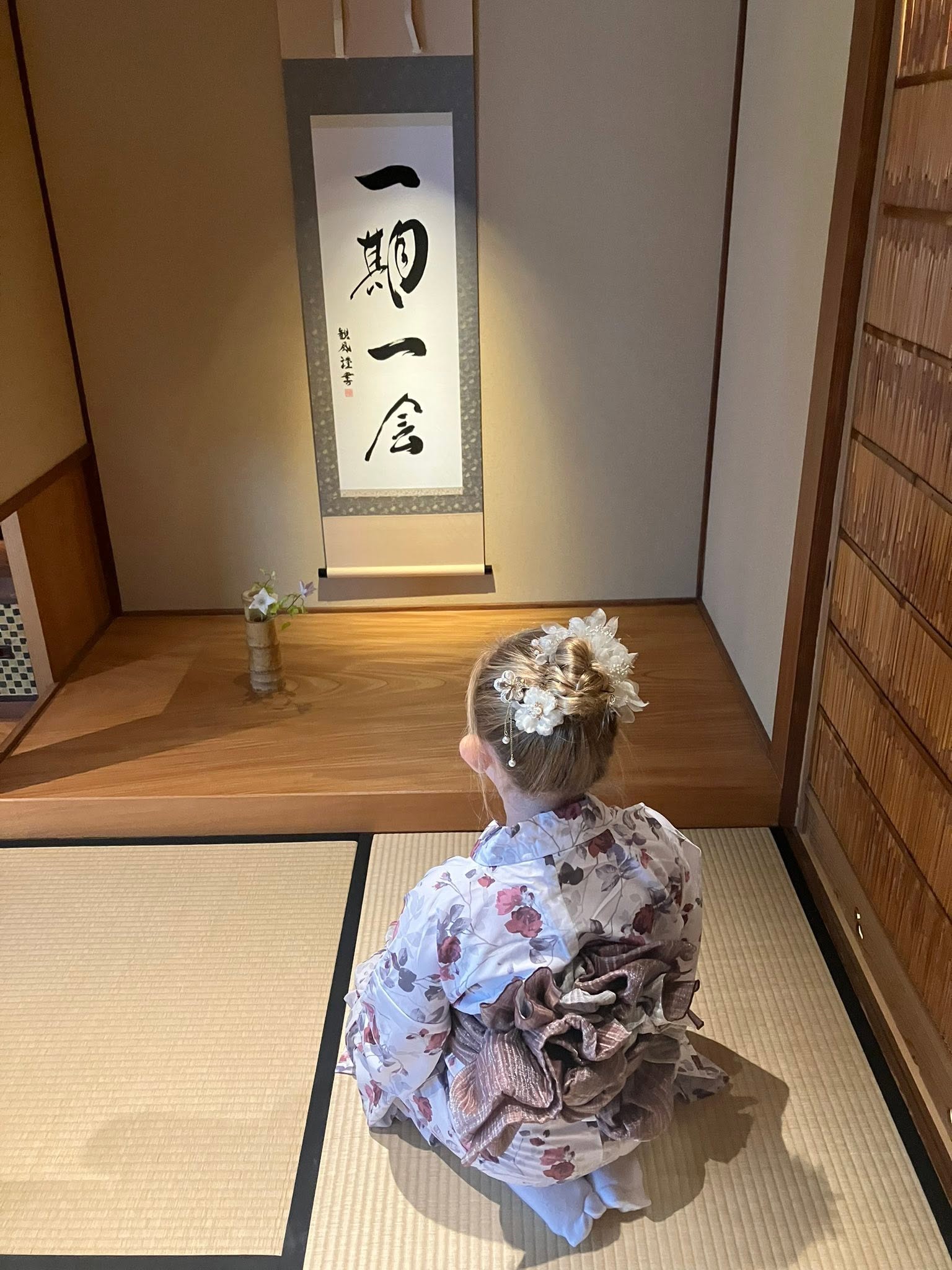
Our hotel the hotel Forza-Kyoto was an excellent location situated on the main shopping street, walkable to Gion, Nishiki Market and next to a subway station. The hotel is 4 *, modern, smart, with spacious rooms. If travelling with children in Japan, it’s important to know children are not included in the total amount of beds needed for you room. Japanese children under 12 typically bedshare with parents in hotels and are not charged. If like us you really want a bed each because 3 of you don’t fit in a bed, you need to state a room for 3 adults not 2 adults and a child. Thankfully I knew this and we had a very spacious triple room. We stayed for 4 nights on a bed and breakfast basis. There were plenty of eateries near by and Pontocho alley is only 10 mins walk away. Our highlights of Kyoto besides Gion, included a tea ceremony with Kimono experience and calligraphy class. The samurai museum, watching a traditional dance show by Maiko at the theatre and visiting Kinkakuji, the golden pavilion and Fushimi Inari were a real highlight.
To venture on I took time out of Kyoto schedule to arrange our further train travel. Kyoto station is enormous! JR passes here were exchanged not at the JR office but at a travel agents shop at one of the bottom plazas. Then you went to the JR office to book the actual train you wanted and the seats. I strongly recommend that people don’t bother with JR passes and just buy tickets for the next available shinkansen at the station. Precious time was wasted organising these tickets.
The following morning, we travelled by thunder bird and then Shinkansen to Kaga Onsen. A small onsen town on our way north to Kanazawa. Besides the ticket faff we really enjoyed our train journeys. The shinkansen are something special and so very fast. At Kaga Onsen our hotel shuttle picked us up and took us into the hills for our stay. We stayed at Yamanaka Onsen Kagari. This was a traditional Onsen stay in a modern hotel, with open air Onsen bath having views of the river. Included in our stay was breakfast and full traditional Japanese multi course dinner. At these sorts of hotel, you are issued with Yukata (relaxed kimono) and wear them for the duration of your stay, even for dinner. Our room style was traditional Japanese. It looked like a Japanese tatami living room during the day then whilst at dinner it was transformed into a bedroom using futon mattresses on the floor. It’s worth mentioning the food at breakfast and dinner was very Japanese and there was so much of it we could not eat it all. In the evening after dinner, we were treated to a performance of Japanese drums. Children are thought about in the hotel and our package included access to an area with fairground style games. We all really enjoyed our stay, and it felt like an authentic experience.
As our stay at Kaga-Onsen was only one night we had opted to luggage transfer our suitcases from Kyoto-Kanazawa. The system was simple, all arranged at our hotel reception and affordable. It is worth noting that it can take 48hours, so don’t transfer anything you will likely need. This was the only part of our trip that we used this service. When we arrived at Kaga-Onsen station the previous day I had booked our onward shinkansen for today.
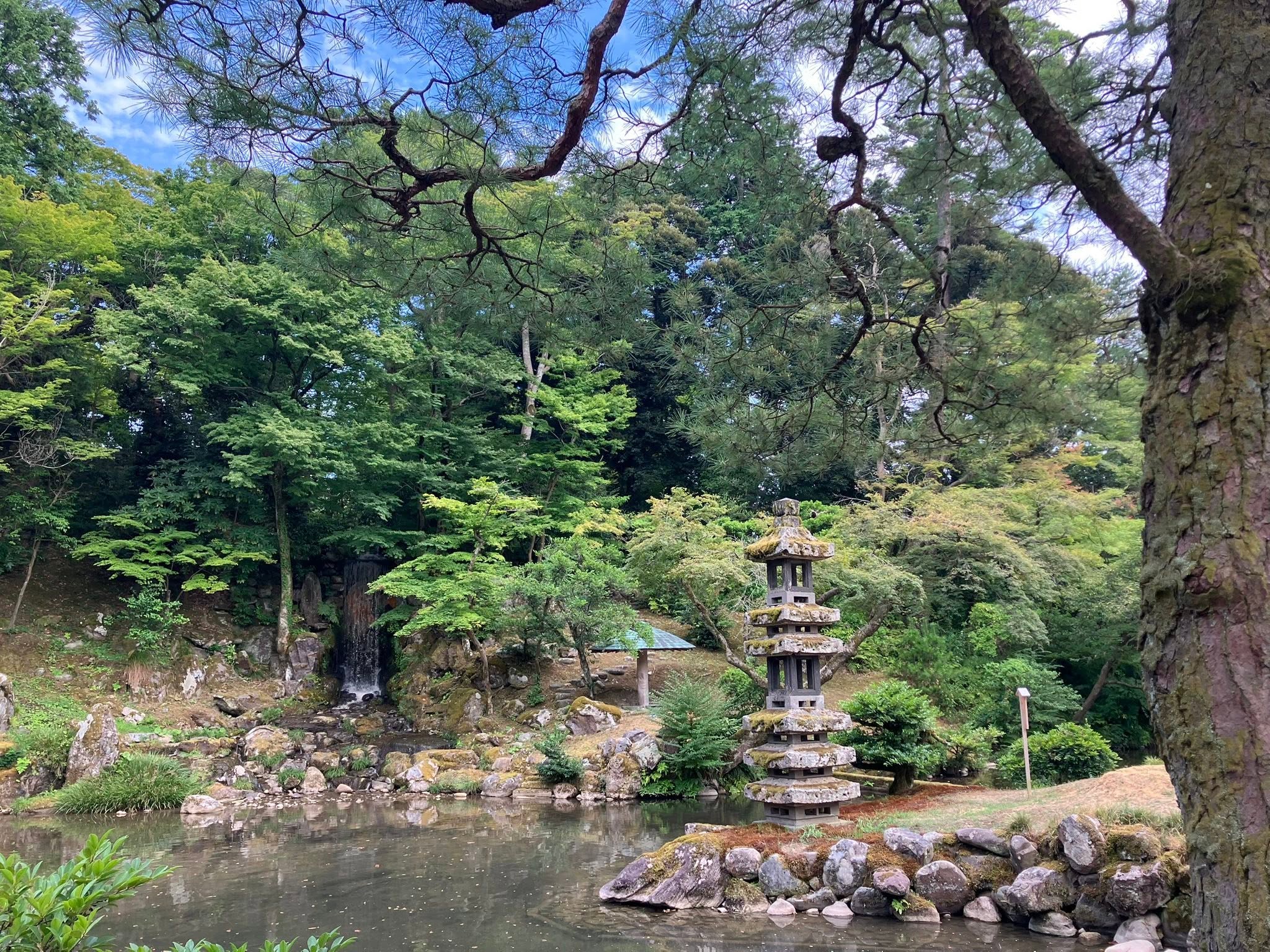
It was a very short hop north to Kanazawa; we easily transferred to our hotel by bus from the station. For our two nights we stayed at The Square Hotel, 4* modern and in a great location. We were able to walk from here to Kanazawa castle and Kenroku-en Gardens, we adored Kenroku-en Gardens, and they are considered some of the best in Japan. Kanazawa has a very easy to navigate bus that loops around the city. We used it to find all the historical areas, Nagamachi Samurai district and Chaya districts and The modern Art Gallery are all worth a visit. Our absolute favourite find in Kanazawa was the Dolls Museum, this is a must do. I was just doing some fact checking and found a fab picture of us used on their website, so thrilled! I would thoroughly recommend this museum even if you didn’t have a child in tow. It is exceptional.
Next morning it was back on the Shinkansen and Tokyo bound. I will say we started our Tokyo trip with 2nights at Tokyo Disneyland. I’m not going to talk about that here. This is a whole separate blog.
In Tokyo we stayed at KOKO HOTEL Residence Asakusa Kappabashi. The best bit about this hotel was our room, it a studio apartment with a full kitchen. By this stage we had been travelling for nearly 3 weeks. So being able to cater for ourselves was something we had missed. I was becoming increasingly concerned my fussy eater child may develop scurvy. Fruit in Japan is super expensive. I caved and spent £16 on a punnet of grapes to prevent said scurvy. The location was good, but I hadn’t realised that the Kappabashi on the address meant it was not central Asakusa. Saying that we were still able to walk to Asakusa, easily find the subway and plenty of shops and places to eat.
On our first Tokyo day I arranged a private day tour. Someone to pick us up from the hotel and drive us to all the key sites around the city. This saved us, the 40’c heat wave continued and having a private guide to drop us door to door while we sat in the AC instead of getting lost on the subway was a game changer. Our guide took us to Meji Jingu Shrine, Shibuya crossing, Ginza, Tsukiji market, Asakusa Temple and the Palace Gardens. We were supposed to visit Tokyo sky tree as well but opted to skip it.
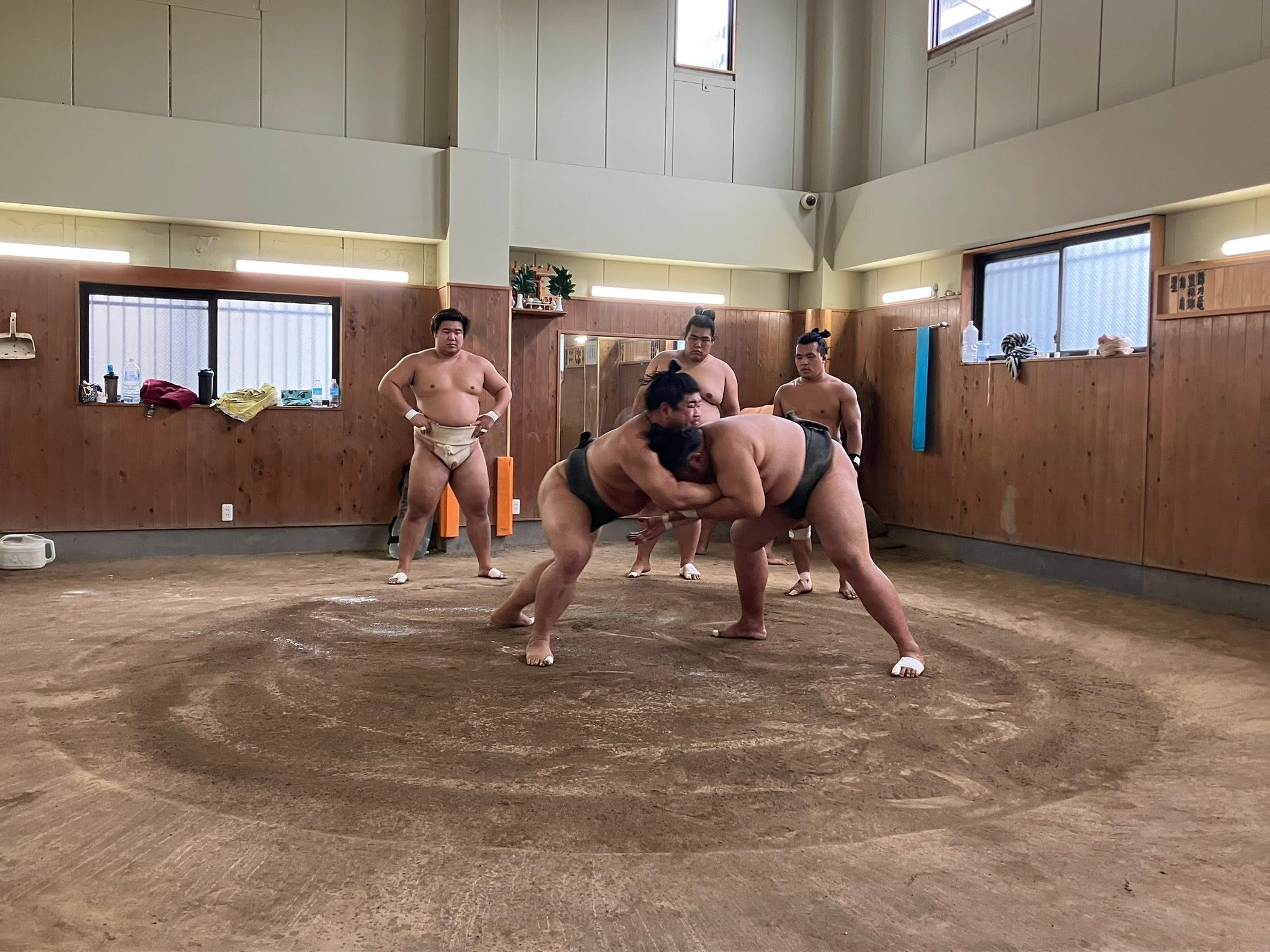
The following day we woke up super early and walked to Ueno station. Here we met our guide for our most eagerly awaited Sumo tour. We travelled on local train, to Tokyo suburbia to watch Sumo wrestlers training in their home sumo stable. Here they all live together and train. We were taught a great deal about sumo and its history. We watched the training session, were able to ask them questions, have photos, even attempt to wrestle with them. The sumo then served us a traditional homemade lunch while we continued our questions. This small group tour is something I try and recommend to all Tokyo travelers. From here we took the train to Teamlab Planets. Another site that must be on your list for Tokyo. Tickets need to be purchased in advance; the Calendar is released four months prior. And make sure you arrive for your time allocation. Be prepared to be amazed, a full sensory-art experience. My favourite included wading through the giant pools and the room filled with moving real Orchids. This day was possibly our best in Japan.
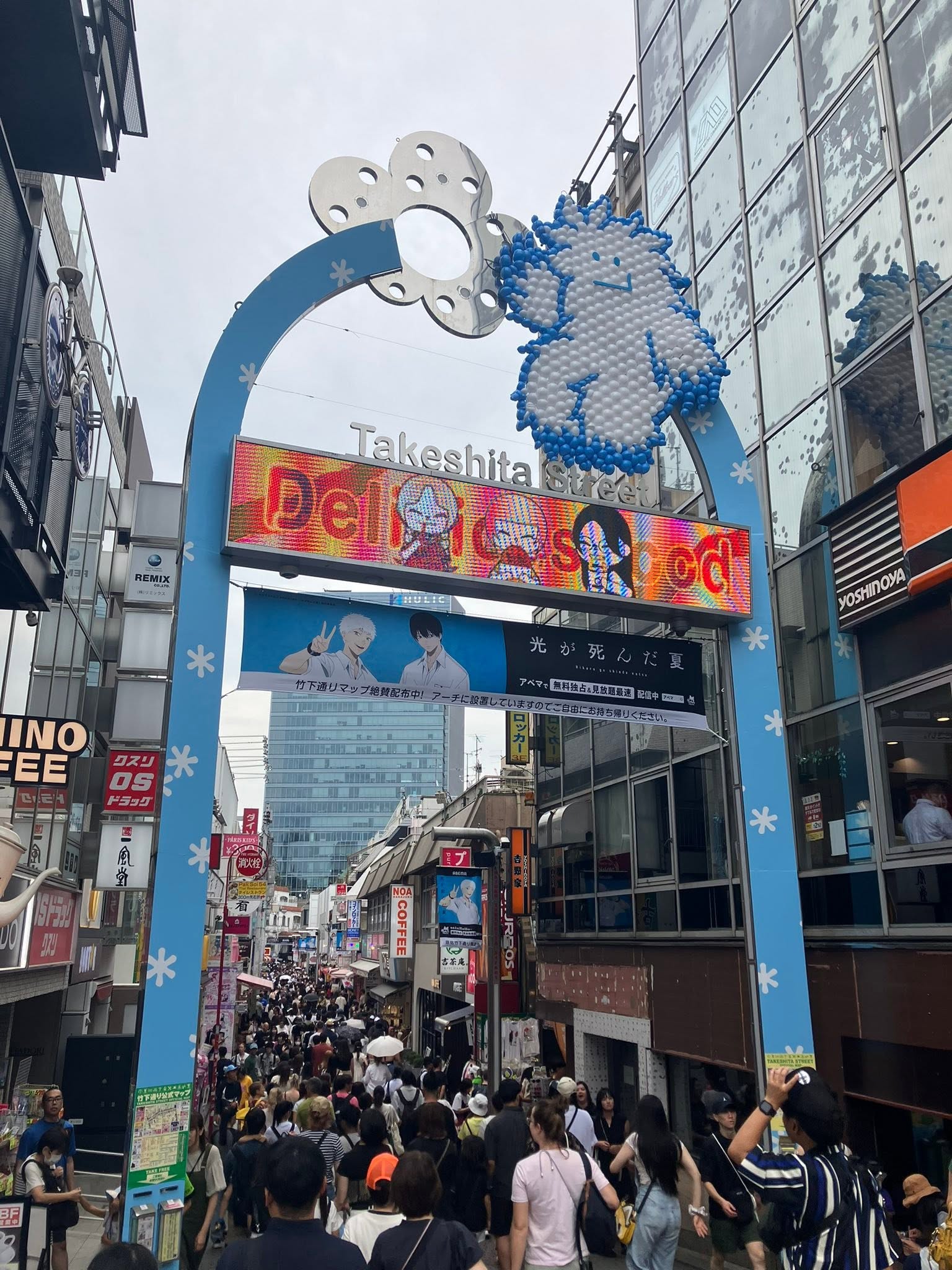
Other highlights in Tokyo included a stop at a doggie cafe, coffee up The Metropolitan building Observatory, then a wander around Shinjuku checking out Godzilla and the 3D cat. Our finally day we visited the museums at Ueno Park including the Tokyo National Museum — Japan’s largest and oldest museum. National Museum of Nature and Science — dinosaurs, space, wildlife, hands‑on exhibits. Tokyo Metropolitan Art Museum — rotating art exhibitions, Japanese and international. We managed 3 of the museums before heading to the airport.
We had the most wonderful time In Japan and have been pining to return ever since.
Japan is a country that is full of wonderful, welcoming people. It is super safe, very easy to navigate and efficient. We felt confident travelling independently around the country. I would strongly recommend researching the seasons and the weather for the time and specific area you would like to visit as weather can be vastly different between islands. Because of school holidays we travelled end of July into August. I knew it would be hot, but then the country had an unprecedented heat wave on top of its usual heat. It was a struggle.
The most popular times of year for pleasant weather are March/April and October into November.
If you are hoping to visit Japan, please do get in contact. I would be thrilled to create a bespoke itinerary for you.